How to Spot Silent Disengagement and Build the Kind of Loyalty You Can’t Fake

You think everything’s fine. Until it isn’t.

I once worked with a firm that thought it had strong employee engagement and a solid leadership team. Everyone showed up, hit targets, and said all the right things in meetings. But slowly, performance dipped. One of the team handed in their notice. Then another. And another.

The feedback? “I didn’t feel I was going anywhere.”
The truth? They’d been disengaging for months, and no one saw it coming.

I’ve seen this across law firms, financial services, and IT firms alike. Loyal on the outside. Lurking on LinkedIn behind the scenes.

If you’re not actively building employee engagement, you’re already losing it.

What Silent Disengagement Looks Like

It’s not always dramatic. Most of the time, it’s subtle. But these shifts are easy to spot when you know what to look for:

  • Slight dips in energy

  • Delayed responses

  • Cameras off

  • No curiosity in meetings

  • Defaulting to “I don’t know” or “Up to you”

It’s not always personal. Sometimes it’s structural. But if your people are fading out before they check out, it’s a sign that employee engagement is slipping — and you need to act.

Your Culture Isn’t the Problem. Your Capability Gap Is.

Let’s be blunt: You can’t fix disengagement with free snacks, yoga Fridays, or ‘fun’ Slack channels.

People stay when they see a future for themselves, and when leadership development supports their growth. When they feel like leaders. When they’re trusted, stretched, and backed.

But in most growing businesses, here’s what actually happens:

  • Managers are promoted for delivery, not leadership — and rarely given real leadership development

  • They’re given responsibility but no development

  • They start to coast, crumble, or quietly look elsewhere

That’s not a culture problem. That’s a capability problem.

The Real Cost of an Unprepared Leadership Layer

This is the bit nobody tells you when you’re scaling: Middle managers make or break your business.

They translate your strategy. Drive your culture. Spot problems before they explode. And if they’re disengaged, you’ll feel it everywhere:

  • Decision-making slows down

  • You get dragged back into delivery

  • Your senior leaders become task managers, not mentors

  • Your best people leave, and the rest stay stuck

If your managers aren’t leading, you’re still leading everything.

Why I Created the Step-Up Emerging Leaders Programme

This programme wasn’t designed because people asked for it. It was designed because they don’t, and that’s the issue.

Most business leaders assume their managers will grow into leadership over time, but without leadership development, that growth rarely happens. But time doesn’t equal development, and waiting quietly erodes confidence, clarity, and culture.

I’ve seen it again and again in service-based SMEs:

  • Capable managers start to stagnate

  • Strategic decisions bounce back up the chain

  • The most driven team members leave without warning

  • Founders get pulled back into the weeds, wondering where it all went wrong

These are not one-off problems, they’re signs of a leadership gap and declining employee engagement that no one is addressing.

The Step-Up Emerging Leaders Programme exists to change that. It’s a six-month, structured pathway that equips your managers with the tools, confidence, and authority to lead, not just manage, not just deliver.

So you can scale without falling back into doing it all yourself.

We help them:

  • Shift from firefighting to forward-thinking

  • Lead with clarity, confidence, and authority

  • Make decisions without constant oversight

  • Model resilience under pressure

  • Inspire, not just instruct, their teams

And because it’s designed for service-sector SMEs, it fits your world, not a corporate ivory tower.

Why It Matters Right Now

Recruitment is expensive. Retention is fragile.
The market is moving fast, and you can’t afford a brittle middle layer.

Leadership development isn’t a nice-to-have. It’s your competitive edge.

  • If your managers aren’t leading, you’re the bottleneck

  • If your teams aren’t growing, your business won’t either

  • If your future leaders don’t see a path, they’ll make one, elsewhere

Ready to Stop the Scroll?

If you’re starting to worry that your team are more engaged with LinkedIn than with your leadership vision, it’s time to act.

The Step-Up Emerging Leaders Programme gives your people the clarity, confidence, and competence to stay, step up, and drive your business forward.

Because loyalty isn’t bought. It’s built.

Let’s talk if you’re ready to build it.

Whether you’re looking to pivot your business model, upskill your workforce, or reinvent your brand, we provide the expertise and support to turn your vision into reality. Let’s collaborate to unlock your potential and create a future-ready version of your business or career.

Book a discovery call

Enjoyed this blog? Check out my other blogs on various resilience and leadership topics here.

The signs are subtle at first.

Growth slows. Decisions get bottlenecked. Leaders start to burn out—or leave.
It’s not dysfunction. It’s drag. Invisible weight on the business.

And it’s usually not because people aren’t smart enough, committed enough, or working hard enough.

It’s because the leadership structure hasn’t evolved with the business.

The Hidden Problem No One Wants to Acknowledge

Most service businesses are still running with a traditional C-suite: CEO, COO, CFO. It’s tidy. Familiar. Safe.
But it was built for delivery, not for disruption. For efficiency, not evolution.

If your business is scaling, fast clients, complex teams, evolving culture—that old model starts to crack.
You’re expecting your leaders to operate cross-functionally, lead change, protect culture, and drive growth… all while doing their day job.

And then you wonder why your best people are on the brink.

Why This Matters Now

We’re seeing the rise of roles like Chief Transformation Officer and Chief Experience Officer for a reason. These aren’t trend-chasing titles—they’re a response to a structural gap.

  • The CTO is there to lead change across silos, not just manage projects.

  • The CXO focuses on how your business feels to clients and to staff. And that impacts performance more than any dashboard.

If no one in your C-suite is responsible for transformation, experience, and culture, those things fall between the cracks.
And what falls between the cracks becomes what holds you back.

Here’s Where It Gets Messy

This is the part that’s hard to admit: most emerging leaders aren’t ready for what these roles require.

Not because they’re not talented, but because we’ve trained them to deliver, not to lead transformation.

The shift from operational manager to strategic leader is not intuitive. It demands:

  • Systems thinking

  • Cultural fluency

  • Adaptability under pressure

  • Influence beyond hierarchy

  • A real appetite to question what’s no longer serving the business

You can’t promote your way into that. You have to develop it. And most businesses don’t build that capability until they’re already in crisis.

The Solution Isn’t More Strategy. It’s Structural Clarity.

When I work with leadership teams, we don’t start with vision or values. We start with a simple question:

What leadership functions are missing?

Because if you want growth, someone has to own the experience.
If you want innovation, someone has to make space for change.
And if you want resilience, someone has to lead culture, not just comment on it.

This is where my work comes in.

I’ve led intelligence operations in high-pressure environments. Designed leadership development inside global banks. Delivered multi-million-pound change portfolios across sectors.
I understand what it takes to build leadership capacity that can handle scale, stress, and strategic ambiguity.

I help founders, boards, and senior leaders redesign their leadership structures and grow the kind of leadership the future actually needs.

Try This: A Structural Gap Check

Here’s a quick diagnostic you can use this week:

In your next leadership meeting, ask:

  • Who owns transformation—not just ops?

  • Who is accountable for how it feels to work here and engage with us?

  • Who’s looking ahead while others are buried in delivery?

If no one is clearly owning these, you’re not failing. But you are exposed.

You may not need to hire new people, but you do need to grow different capacities in the people you already have. That’s where things shift.

Final Thought

Most businesses don’t stall because of bad leadership.
They stall because good leadership is stuck doing the wrong work.

If your leaders are overwhelmed, firefighting, or unsure how to lead beyond their function—it’s not a performance issue.
It’s a structure issue.

Fix the structure, and you free the potential.

If you’re starting to see the cracks—and you know your current leadership setup won’t take you where you need to go—let’s talk.

I offer strategic diagnostics and bespoke leadership development designed for scaling service businesses.

No generic training. No tick-box coaching.

Just clear insight, structural clarity, and the tools to build the leadership your future demands.

Book a 30-minute consultation and let’s explore what’s holding you back—and how to change it.

Book a discovery call

Enjoyed this blog? Check out my other blogs on various resilience and leadership topics here.

If Your Business Feels Out of Control, It’s Not Growth – It’s a Lack of Agility

Let me guess.

You started lean and fast.
Everyone mucked in. Things got done.
But now? You’re growing – and suddenly, you’re firefighting.

Your inbox is rammed.
Your managers are in constant crisis mode.
You’ve got meetings about meetings.
And despite all the effort, nothing feels under control.

This isn’t just growing pains.
This is a leadership breakdown.

And if you don’t fix how your business operates, no strategy in the world will save you from stalling – or burning out.

I’ve seen it time and time again.
I’ve lived it in corporate.
And I’ve fixed it – using Agile Leadership.

Why Agile Leadership Works (Even If You’re Not a Tech Firm)

As a Disciplined Agile Senior Scrum Master, I bring the mindset and methods that stop chaos in its tracks.
This isn’t about software. It’s about structure.

Agile leadership helps you:

  • Make decisions fast – without getting bogged down in red tape

  • Free your managers from doing the work and teach them to lead instead

  • Create visible progress every week, not just big bang launches every six months

  • Stay focused when the next shiny opportunity comes knocking

You stop reacting. You start leading.
And suddenly, your team steps up – because you’ve stepped back from the day-to-day grind.

The Common SME Mistake

Most founders and directors think they need more people to cope with growth.
But in reality, what they need is a better leadership rhythm.

Your teams aren’t underperforming. They’re under-led.
They need clarity, cadence, and constraints – not more chaos disguised as ‘busy’.

A Simple Agile Habit You Can Steal Today

Replace Overwhelm with Clarity – in 15 Minutes a Week

There’s a process in Agile called the Daily Standup – a short, sharp team check-in designed to create momentum, highlight blockers, and keep everyone aligned to the same goal.

It works because it’s simple. No waffle. No PowerPoint. Just three tight questions:

  1. What did I do yesterday that moved us towards our goal?

  2. What will I do today to keep things moving?

  3. What’s getting in the way?

For many of the SMEs I work with, starting daily feels like a stretch. So here’s a lighter, leadership-level version you can try immediately.

The Friday Reset

Block out 30 minutes. Get your senior team together. No slides. No status reports. Just straight answers to these three questions:

  1. What did we deliver this week that moved the business forward?

  2. What got in the way?

  3. What one thing will we focus on next week to shift the dial?

Then shut the laptops, skip the 12-point agenda, and commit to just that one thing.

It will feel uncomfortable at first. But that discomfort is the signal you’re moving from reactive to intentional.

Agile isn’t about doing more. It’s about focusing on what matters – and doing it better.

Why Work With Me

I’ve led multi-million-pound change programmes across sectors – from Shell to financial services. I’ve worked inside global corporations, in military intelligence, and across high-pressure environments where clarity, leadership, and adaptability weren’t optional – they were mission-critical.

Now I bring that same strategic rigour to SME leaders who’ve hit a ceiling.

As a trained Disciplined Agile Senior Scrum Master, I don’t teach theory. I help you build the leadership rhythm, thinking, and structure your business needs to grow, without chaos, burnout, or bloated headcount.

Agility isn’t a workshop. It’s a way of leading.
And it starts at the top.

If you’re serious about scaling without sacrificing your sanity, let’s talk.

Whether you’re looking to pivot your business model, upskill your workforce, or reinvent your personal brand, we provide the expertise and support to turn your vision into reality. Let’s collaborate to unlock your potential and create a future-ready version of your business or career.

Book a discovery call

Enjoyed this blog? Check out my other blogs on various resilience and leadership topics here.

Mastering Multi-Generational Leadership

In today’s diverse UK workplace, leaders face a unique challenge: managing a workforce that spans up to five generations. From Baby Boomers to Generation Z, each cohort brings distinct values, work styles, and expectations. But how can we harness this diversity to drive innovation and productivity? Let’s explore strategies to create a harmonious and high-performing multi-generational workplace.

The UK’s Multi-Generational Workforce: A Snapshot

Before diving into solutions, let’s consider the current landscape:

  • UK workplaces typically include 4-5 generations (CIPD)
  • By 2025, Millennials will make up 75% of the UK workforce (PwC)
  • 61% of UK workers value a multi-generational workplace (Robert Half)

These statistics highlight both the challenge and the opportunity for UK businesses to leverage generational diversity.

5 Powerful Strategies for Leading a Multi-Generational UK Workforce

Foster Cross-Generational Mentoring

Global insight: Two-way mentoring programmes boost knowledge sharing and innovation.

UK Application:

  • Implement reverse mentoring, pairing younger employees with senior leaders
  • Create mentoring circles with representatives from each generation
  • Encourage skill-sharing sessions across age groups

Action step: Launch a ‘Generation Exchange’ programme, facilitating monthly cross-generational knowledge-sharing sessions.

Tailor Communication Styles

Global insight: Adapting communication methods to generational preferences enhances engagement.

UK Application:

  • Use a mix of communication channels (e.g., face-to-face, email, instant messaging)
  • Train leaders in generational communication preferences
  • Create guidelines for effective cross-generational communication

Action step: Develop a ‘Communication Preferences’ survey to understand your team’s diverse needs.

Offer Flexible Working Arrangements to Employees

Global insight: Flexibility is valued across generations but for different reasons.

UK Application:

  • Provide options like flexitime, compressed hours, or remote working
  • Allow for ‘custom’ working arrangements based on individual needs
  • Ensure that flexible policies don’t inadvertently favour one generation

Action step: Implement a ‘Flexibility for All’ policy, ensuring equitable access to flexible working options.

Create Diverse Project Teams

Global insight: Multi-generational teams drive innovation and problem-solving.

UK Application:

  • Intentionally form project teams with members from different generations
  • Assign roles based on individual strengths rather than age or seniority
  • Provide training on leveraging generational diversity in teamwork

Action step: Launch a ‘Multi-Gen Innovation Challenge’, tasking diverse teams with solving company challenges.

Develop Age-Inclusive Learning and Development Programmes

Global insight: Tailored L&D opportunities boost engagement across all age groups.

UK Application:

  • Offer a mix of traditional and digital learning options
  • Provide age-specific development opportunities (e.g., leadership for younger workers, technology skills for older ones)
  • Create ‘learning buddies’ across generations

Action step: Introduce ‘Skills Swap’ days where employees teach each other their unique expertise.


Measuring Success in Multi-Generation Management

To ensure your strategies are effective:

  • Conduct regular employee surveys on generational inclusivity
  • Monitor engagement scores across different age groups
  • Track collaboration and innovation metrics in multi-generational teams
  • Assess improvements in knowledge transfer and skill-sharing

The Business Case for Generational Diversity

Embracing multi-generational leadership isn’t just about fairness—it’s a smart business move:

  • Age-diverse teams are 87% more likely to make better decisions (Forbes)
  • Companies with age diversity see a 2% increase in productivity (CIPD)
  • 85% of UK workers believe a multi-generational workforce increases innovation (Robert Half)

Imagine a workplace where:a photo showing an example of different generations at work

  • Baby Boomers’ experience combines seamlessly with Gen Z’s tech-savviness
  • Cross-generational mentoring leads to unexpected innovations
  • Your company becomes known as an age-inclusive employer, attracting top talent of all ages
  • Productivity and employee satisfaction soar as each generation feels valued and understood

This isn’t a pipe dream. It’s the reality for UK companies that master multi-generational leadership.

Your Next Steps: Leading the Age-Inclusive Revolution

Ready to transform your workplace into a multi-generational powerhouse? Start with these actions:

  1. Conduct an age diversity audit of your current workforce
  2. Survey your team about their experiences and needs in a multi-generational workplace
  3. Implement one new age-inclusive initiative from this article
  4. Share your commitment to generational diversity with your team and invite their input

Remember, effective multi-generational leadership isn’t about treating everyone the same. It’s about recognising and valuing the unique strengths each generation brings to the table.

Are you ready to bridge the generation gap and lead your multi-generational team to new heights? Your business’s future success—and your employees’ satisfaction—may depend on it.


Unlocking Employee Potential

In today’s rapidly evolving business landscape, the ability to learn and adapt is no longer a nice-to-have—it’s a must-have. The Gallup Global Emotions 2024 report reveals a striking statistic: 54% of people worldwide reported learning or doing something interesting the previous day. But how does the UK measure up, and more importantly, how can we as leaders harness the power of continuous learning to drive our businesses forward?

The UK Learning Landscape: Room for Improvement

Before we dive into solutions, let’s consider the current state of learning in UK workplaces:

  • Only 49% of UK employees feel they have good opportunities to learn and grow at work (Gallup)
  • 42% of UK workers say a lack of career progression is a key reason for leaving their job (CIPD)
  • The UK lags behind other G7 countries in productivity by 15%, partly due to skills gaps (Department for Business, Energy & Industrial Strategy)

These statistics highlight both the challenge and the opportunity for UK businesses to leverage education as a driver of engagement, retention, and productivity.

5 Powerful Strategies to Foster a Learning Culture in UK Workplaces

Implement Personalised Learning Paths

Global insight: Employees who feel their education in work is tailored to their needs are more engaged.

UK Application:

  • Use AI-powered platforms to create personalised development plans
  • Offer a mix of formal training, on-the-job learning, and self-directed study options
  • Implement regular skills assessments to identify gaps and opportunities

Action step: Launch a ‘Learning Passport’ programme where employees can track and showcase their journey.

Encourage Cross-Departmental Knowledge Sharing

Global insight: Diverse experiences lead to increased innovation.

UK Application:

  • Organise monthly ‘Skill Swap’ sessions where employees teach each other
  • Implement a job rotation programme for interested employees
  • Create cross-functional project teams to encourage knowledge transfer

Action step: Start a ‘Lunch and Learn’ series where different departments share insights about their work.

Embrace Digital Tools

Global insight: Countries with high digital literacy scores also report high levels of workplace learning.

UK Application:

  • Provide access to online platforms like LinkedIn Learning or Coursera
  • Utilise virtual reality for immersive training experiences
  • Implement a learning management system to track and reward progress

Action step: Host a ‘Digital Fair’ to introduce employees to available online resources.

Foster a ‘Growth Mindset’ Culture

Global insight: Employees in countries with a strong ‘growth mindset’ culture report more learning experiences.

UK Application:

  • Train managers to provide growth-oriented feedback
  • Celebrate attempts and efforts, not just successes
  • Share stories of personal and professional growth within the company

Action step: Introduce a ‘Failure Friday’ where team members share their own lessons from mistakes or setbacks.

Link Learning to Career Progression

Global insight: Clear links between learning and career advancement boost engagement.

UK Application:

  • Create clear pathways for different career tracks
  • Include goals in performance reviews
  • Offer ‘stretch assignments’ to employees who complete relevant training

Action step: Develop a ‘Skills for Promotion’ guide that outlines the training required for career advancement.

Measuring the Impact of Learning Initiatives

To ensure your strategies are effective:

  • Track completion rates of learning programmes
  • Monitor changes in employee engagement scores
  • Measure the impact on productivity and innovation metrics
  • Assess improvements in retention rates, particularly among high-potential employees

The Business Case for Continuous Learning

Investing in employee education isn’t just about skills development—it’s a smart business move:

  • Companies that invest in employee training enjoy 24% higher profit margins (ASTD)
  • 94% of employees would stay at a company longer if it invested in their development (LinkedIn)
  • Organisations with a strong learning culture are 92% more likely to develop novel products and processes (Deloitte)

Imagine a workplace where:

  • Employees eagerly seek out new challenges and opportunities to grow
  • Innovation thrives as diverse knowledge and skills are shared across the organisation
  • Your company becomes known as a ‘learning organisation’, attracting top talent
  • Productivity soars as employees continually upgrade their skills and knowledge

This isn’t a far-fetched dream. It’s the reality for UK companies that prioritise continuous learning and development.

Your Next Steps: Leading the Learning Revolution

Ready to transform your workplace into a hub of continuous learning and growth? Start with these actions:

  1. Conduct an education needs assessment across your organisation
  2. Survey your team about their preferences and career aspirations
  3. Implement one new initiative from this article
  4. Share your commitment to fostering a continous mastering culture with your team and invite their input

Remember, creating a culture of continuous education isn’t about mandating courses or setting arbitrary training hours. It’s about fostering an environment where curiosity is encouraged, growth is celebrated, and learning is seamlessly integrated into daily work.

Are you ready to lead the learning revolution and unlock your team’s full potential? Your business’s future competitiveness – and your employees’ career satisfaction may depend on it.

Book your 30 minute strategy session and creating a culture of resilience and innovation today here.

The Secret Weapon for Business Success

In the hustle and bustle of UK’s business world, we often overlook a crucial factor in productivity and innovation: sleep. The Gallup Global Emotions 2024 report reveals that 71% of people globally feel well-rested. But how does the UK measure up, and more importantly, how can you as a leader harness the power of a well-rested workforce to drive your business forward?

The UK Sleep Deficit: A Wake-Up Call for Leaders

Before we dive into solutions, let’s look at the stark reality facing UK workers:

  • 36% of UK adults struggle to get to sleep at least on a weekly basis (Sleep Council)
  • Poor sleep costs the UK economy £40 billion annually (Rand Corporation)
  • 200,000 working days are lost in the UK each year due to insufficient sleep (NHS)

These statistics paint a clear picture: sleep deprivation is not just a personal issue, it’s a business crisis.

5 Powerful Strategies to Create a Well-Rested Workforce

Implement a ‘Right to Disconnect’ Policy

In our always-on digital world, the lines between work and personal time have blurred. France has led the way with legal ‘right to disconnect’ policies. While not law in the UK, forward-thinking companies are adopting similar approaches.

Action step: Establish clear guidelines on after-hours communication. Consider tools that delay email delivery outside of working hours.

Create a Sleep-Friendly Work Environment

Your office environment can significantly impact employee alertness and, by extension, their sleep patterns.

Action step: Invest in natural lighting or daylight-mimicking lights. Create quiet spaces for power naps, following companies like Google and Nike.

Offer Sleep Education and Resources

Many people underestimate the importance of sleep hygiene. As a leader, you can change this.

Action step: Partner with sleep experts to provide workshops on sleep hygiene. Consider offering sleep tracking devices as part of your wellness programme.

Flexible Working Hours for Chronotype Diversity

Not everyone is a morning lark. Some of your best talent might be night owls struggling with traditional 9-5 schedules.

Action step: Where possible, allow flexible start and end times. This can help employees work when they’re at their best.

Address Workplace Stress

Stress is a major sleep disruptor. Tackling workplace stress head-on can significantly improve sleep quality.

Action step: Regularly assess workloads and deadlines. Implement stress management programmes and encourage the use of mental health resources.

Measuring the Impact of Your Sleep-Friendly Initiatives

To ensure your strategies are working:

  • Conduct regular surveys on employee sleep quality and daytime alertness
  • Monitor changes in absenteeism and presenteeism rates
  • Track productivity metrics before and after implementing sleep initiatives
  • Measure uptake of sleep education resources and flexible working options

The Business Case for a Well-Rested Workforce

When you prioritise employee sleep, you’re not just being a compassionate leader. You’re making a smart business decision. Here’s why:

  • Increased Productivity: Well-rested employees are 13% more productive (University of Cambridge)
  • Enhanced Creativity: REM sleep boosts creative problem-solving by up to 33% (University of California)
  • Improved Decision-Making: Sleep-deprived individuals make riskier decisions (Duke University)
  • Better Team Dynamics: Well-rested people are more emotionally intelligent and empathetic

Imagine a workplace where:

  • Monday morning meetings are filled with alert, engaged team members brimming with innovative ideas
  • Complex problems are solved more efficiently due to enhanced cognitive function
  • Workplace conflicts decrease as well-rested employees navigate relationships with greater emotional intelligence
  • Your company gains a reputation as a top employer, attracting the best talent in your industry

This isn’t a utopian dream. It’s the reality for UK businesses that prioritise employee sleep and wellbeing.

Your Next Steps: Leading the Charge for a Well-Rested Workforce

Ready to revolutionise your workplace through the power of sleep? Start with these actions:

  1. Conduct a sleep culture audit in your organisation
  2. Survey your team about their sleep habits and challenges
  3. Implement one new sleep-friendly policy from this article
  4. Lead by example – prioritise your own sleep and share the benefits with your team

Remember, creating a well-rested workforce isn’t just about improving sleep. It’s about fostering a culture that values holistic wellbeing and recognises the profound impact of rest on performance. By championing this approach, you’re not just enhancing your workplace – you’re positioning your organisation at the forefront of UK business innovation and success.

Are you ready to unlock the power of a well-rested workforce and lead your team to new heights of productivity and innovation? The future of your organisation may depend on it.

Book a FREE discovery call with me today so we can discuss your needs: https://calendly.com/alisoncharles/30min?month=2025-03

A Leader’s Guide to Building a Positive Culture in the Workplace

In today’s diverse and dynamic UK workplaces, cultivating a culture of respect is more crucial than ever. The Gallup Global Emotions 2024 report reveals that 85% of people worldwide felt treated respectfully all day. But how does the UK measure up, and more importantly, how can we as leaders ensure our workplaces are bastions of respect and dignity?

The UK Respect Landscape: Room for Improvement

Before we dive into solutions, let’s consider the current state of respect in UK workplaces:

  • Only 65% of UK employees feel they are always treated with respect at work (CIPD)
  • 1 in 4 UK workers have experienced bullying or harassment in the workplace (TUC)
  • Companies with respectful cultures see 26% higher revenue per employee (SHRM)

These statistics highlight both the challenge and the opportunity for UK businesses to leverage respect as a driver of engagement, wellbeing, and productivity.

5 Powerful Strategies to Foster a Culture of Respect in UK Workplaces

Implement Comprehensive Respect and Inclusion Policies

Global insight: Countries with strong anti-discrimination laws report higher levels of workplace respect.

UK Application:

  • Develop clear, comprehensive policies on respect, diversity, and inclusion
  • Ensure policies are easily accessible and regularly communicated
  • Provide training on these policies for all employees, especially managers

Action step: Launch a ‘Respect Charter’ that all employees sign, outlining expected behaviours and values.

Train Leaders in Inclusive Leadership

Global insight: Organisations with inclusive leaders report higher levels of respect among employees.

UK Application:

  • Provide training on inclusive leadership practices for all managers
  • Incorporate inclusive leadership behaviours into performance reviews
  • Celebrate and reward leaders who exemplify respectful, inclusive behaviours

Action step: Implement a ‘Respect in Leadership’ award to recognise managers who excel in fostering a respectful environment.

Encourage Open Communication and Feedback

Global insight: Workplaces with open communication channels report higher levels of respect.

UK Application:

  • Implement regular ‘listening sessions’ where employees can voice concerns
  • Create anonymous feedback channels to report disrespectful behaviour
  • Train managers in active listening and empathetic communication

Action step: Launch a monthly ‘Respect Round Table’ where employees can discuss workplace culture in a safe space.

Celebrate Diversity and Foster Cultural Intelligence

Global insight: Organisations that actively celebrate diversity report higher levels of mutual admiration.

UK Application:

  • Organise cultural awareness events and workshops
  • Create employee resource groups for different demographics
  • Implement reverse mentoring programmes to foster cross-cultural understanding

Action step: Start a ‘Culture Share’ initiative where employees can share aspects of their cultural background.

Address Microaggressions and Unconscious Bias

Global insight: Workplaces that tackle subtle forms of disrespect report higher overall respect levels.

UK Application:

  • Provide training on recognising and addressing microaggressions
  • Implement unconscious bias training for all employees
  • Create a system for reporting and addressing microaggressions

Action step: Develop a ‘Respect Toolkit’ with resources on addressing microaggressions and fostering inclusive behaviours.

Measuring the Impact of Respect Initiatives

To ensure your strategies are effective:

  • Conduct regular employee surveys on workplace regard and inclusion
  • Monitor changes in employee engagement and satisfaction scores
  • Track retention rates, particularly among diverse employee groups
  • Measure productivity and innovation metrics alongside respect initiatives

The Business Case for a Respectful Workplace

Fostering a culture of respect isn’t just the right thing to do—it’s a smart business move:

  • Respectful workplaces see 30% higher productivity (Porath, 2016)
  • Companies with inclusive cultures are 1.7 times more likely to be innovation leaders (Josh Bersin)
  • 72% of employees who felt regarded by their leaders reported higher engagement (Salesforce)

Imagine a workplace where:

  • Employees feel valued and heard, regardless of their background or position
  • Collaboration thrives as diverse perspectives are regarded and welcomed
  • Your company becomes known as an employer of choice, attracting top diverse talent
  • Productivity and innovation soar in an atmosphere of psychological safety

This isn’t a pipe dream. It’s the reality for UK companies that prioritise respect and inclusion.

Your Next Steps: Leading the Respect Revolution

Ready to transform your workplace into a beacon of respect and inclusion? Start with these actions:

  1. Conduct an audit of your current workplace culture
  2. Survey your team about their experiences and perceptions of respect at work
  3. Implement one new initiative from this article
  4. Share your commitment to creating a culture of respect with your team and invite their input

Remember, fostering a respectful culture isn’t about ticking boxes or implementing superficial policies. It’s about creating an environment where every employee feels valued, heard, and empowered to bring their whole self to work.

Are you ready to lead the respect revolution and unlock your team’s full potential? Your business’s future success—and your employees’ wellbeing—may depend on it.

Want to dive deeper into creating a respectful, inclusive workplace? Book a free discovery call with me here.

The Secret Weapon of Successful UK Businesses

In the fast-paced world of UK business, success often hinges on more than just clever strategies and innovative products. As a seasoned resilience trainer and coach, I’ve witnessed firsthand how robust team dynamics can be the differentiating factor between thriving companies and those that struggle. Today, we’ll explore how you can harness the power of effective teamwork to propel your business forward.

The Importance of Team Dynamics in UK Business

Before we dive into practical tips, it’s crucial to understand why team dynamics matter. Well-oiled teams accomplish more in less time, leading to enhanced productivity. When diverse perspectives come together, it often results in groundbreaking solutions and increased innovation. Collaborative teams also tend to make more informed choices, improving overall decision-making. Perhaps most importantly, positive work environments contribute significantly to higher employee retention, keeping your valuable talent on board.

Seven Strategies to Build Resilient Team Dynamics

Clarify Roles and Responsibilities

In many UK organisations, role ambiguity leads to inefficiency and frustration. To combat this, consider organising a team workshop to review each member’s role. Creating a visual ‘responsibility map’ for easy reference can be incredibly helpful. Additionally, make it a habit to regularly update job descriptions to reflect evolving responsibilities. This clarity ensures everyone understands their part in the bigger picture.

Foster Open Communication

British reserve shouldn’t hinder workplace communication. Encourage openness by implementing a ‘no-idea-is-a-bad-idea’ policy in brainstorming sessions. Utilise ’round-robin’ discussions to ensure all voices are heard, especially those who might be hesitant to speak up. Setting up anonymous feedback channels for sensitive issues can also promote honest communication.

Build Trust and Respect

Trust is the bedrock of strong teams. Cultivate it by starting each week with a ‘wins and challenges’ session. This practice not only celebrates achievements but also allows for open discussion of obstacles. Make it a point to acknowledge both individual and team accomplishments regularly. When conflicts arise, address them promptly and fairly to maintain a respectful environment.

Embrace Diversity as a Strength

The UK’s diverse workforce is a goldmine of innovation. Tap into this potential by creating cross-functional project teams that bring together various perspectives. Organise cultural awareness workshops to foster understanding and appreciation among team members. Consider implementing a reverse mentoring programme where junior staff mentor senior leaders on topics like technology or emerging trends. This approach not only values diversity but also keeps your organisation adaptable and forward-thinking.

Invest in Team Building with Purpose

Move beyond the typical Friday pub night and invest in meaningful team-building activities. Organise a community service day aligned with your company values to foster a sense of shared purpose. Host problem-solving workshops that tackle real business challenges, allowing your team to collaborate on impactful projects. Arrange ‘innovation field trips’ to inspiring locations or businesses to spark creativity and new ideas.

Nurture Growth and Development

In a competitive job market, professional development is crucial. Implement a ‘skill-share’ programme where team members teach each other, fostering a culture of continuous learning. Offer personalised learning budgets for each employee, empowering them to take charge of their own development. Create cross-department shadowing opportunities to broaden understanding of the business and open up new career paths within the organisation.

Lead with Empathy and Emotional Intelligence

In today’s world, emotional intelligence is as important as IQ. Enhance your leadership by practising ’empathy walks’ to understand team members’ perspectives. Provide mental health first aid training for all managers to ensure they can support their teams effectively. Implement flexible working policies that respect work-life balance, showing that you value your employees as whole individuals.

Case Study: Resilience in Action

To illustrate the power of these strategies, let’s look at a real-world example. A struggling fintech startup in Leeds implemented these approaches over a six-month period. The results were truly transformative. Employee satisfaction skyrocketed, increasing by 45%. Staff turnover, previously a major concern, reduced by 30%. Perhaps most impressively, the company secured a major contract, crediting their newfound ‘team synergy’ as a key factor in winning the business.

Building resilient team dynamics isn’t a one-off task; it’s an ongoing commitment. However, the rewards – a workforce that’s productive, innovative, and able to weather any storm – are immeasurable. As you implement these strategies, remember that every team is unique. Be prepared to adapt these ideas to suit your specific business culture and challenges.

Are you ready to transform your team dynamics and boost your business success? I’d love to hear about your experiences and challenges. Share your thoughts in the comments below, or reach out for a personalised consultation on building resilience in your organisation.

Book a free 30-minute resilience strategy session today and take the first step towards building a stronger, more dynamic team! You can book your call here.

Boosting Morale and Productivity

In the often high-pressure environment of UK workplaces, the importance of laughter and enjoyment can be overlooked. However, the Gallup Global Emotions 2024 report reveals a compelling statistic: 73% of people worldwide reported smiling or laughing a lot, and experiencing enjoyment. But how does the UK measure up, and more crucially, how can we as leaders harness the power of positive experiences to drive our businesses forward?

The UK Workplace Happiness Landscape: Room for Improvement

Before we dive into solutions, let’s consider the current state of workplace enjoyment in the UK:

  • Only 41% of UK employees report feeling enthusiastic about their job (Gallup)
  • 67% of UK workers believe that fun at work would increase their productivity (Workfront)
  • UK workers are among the least satisfied in Europe, ranking 18th out of 25 countries (Glassdoor)

These statistics highlight both the challenge and the opportunity for UK businesses to leverage laughter and enjoyment as drivers of engagement, creativity, and productivity.

5 Powerful Strategies to Foster Laughter and Enjoyment in UK Workplaces

Create a Culture of Playfulness

Global insight: Companies that embrace playfulness report higher levels of employee satisfaction and creativity.

UK Application:

  • Introduce ‘Fun Fridays’ with team-building games or activities
  • Encourage appropriate workplace humour and light-hearted interactions
  • Create playful office spaces with games or recreational areas

Action step: Launch a ‘Chief Fun Officer’ role, rotating among team members to organise monthly enjoyable activities.

Celebrate Achievements and Milestones

Global insight: Regular celebration of successes boosts overall workplace enjoyment.

UK Application:

  • Implement a peer recognition programme
  • Organise monthly or quarterly celebration events
  • Create a ‘Wall of Fame’ to showcase individual and team achievements

Action step: Start a ‘Weekly Wins’ tradition in team meetings, where everyone shares a personal or professional success.

Encourage Social Connections

Global insight: Strong workplace relationships contribute significantly to enjoyment at work.

UK Application:

  • Organise regular social events, both in-person and virtual
  • Create interest-based clubs or groups within the company
  • Implement a ‘buddy system’ for new employees

Action step: Introduce ‘Random Coffee’ matchups, pairing employees for casual chats to foster connections across departments.

Promote Work-Life Balance

Global insight: Employees who feel their personal time is respected report higher levels of workplace enjoyment.

UK Application:

  • Offer flexible working hours or compressed work weeks
  • Encourage the use of full holiday entitlements
  • Implement a ‘right to disconnect’ policy outside of work hours

Action step: Launch a ‘Leave Loudly’ campaign, where leaders visibly prioritise their own work-life balance.

Inject Humour into the Workday

Global insight: Workplaces that embrace appropriate humour see increased employee engagement and reduced stress.

UK Application:

  • Start meetings with a funny anecdote or joke
  • Create a channel for sharing work-appropriate memes or jokes
  • Organise comedy nights or stand-up workshops for employees

Action step: Implement ‘Witty Wednesday’, encouraging team members to share humorous work-related stories or observations.

Measuring the Impact of Laughter and Enjoyment Initiatives

To ensure your strategies are effective:

  • Conduct regular employee happiness surveys
  • Monitor changes in absenteeism and presenteeism rates
  • Track productivity and creativity metrics alongside enjoyment initiatives
  • Assess improvements in employee retention rates

The Business Case for Workplace Enjoyment

Investing in laughter and enjoyment isn’t just about having fun—it’s a smart business move:

  • Companies with happy employees outperform their competitors by 20% (Gallup)
  • 89% of workers believe that fun at work contributes to better business results (BrightHR)
  • Laughter can increase productivity by up to 12% (Warwick Business School)

Imagine a workplace where:

  • Monday mornings are met with enthusiasm rather than dread
  • Creativity flourishes in an atmosphere of playfulness and positivity
  • Your company becomes known as a great place to work, attracting top talent
  • Productivity soars as employees bring their full, energised selves to work each day

This isn’t a far-fetched dream. It’s the reality for UK companies that prioritise laughter and enjoyment in the workplace.

Your Next Steps: Leading the Joy Revolution

Ready to transform your workplace into a hub of laughter and enjoyment? Start with these actions:

  1. Conduct a ‘joy audit’ of your current workplace culture
  2. Survey your team about what brings them joy and enjoyment at work
  3. Implement one new laughter or enjoyment initiative from this article
  4. Share your commitment to fostering a positive work environment with your team and invite their input

Remember, creating a culture of laughter and enjoyment isn’t about forcing fun or implementing superficial ‘happiness’ programmes. It’s about fostering an environment where people feel comfortable being themselves, finding joy in their work, and connecting with their colleagues.

Are you ready to lead the joy revolution and unlock your team’s full potential? Your business’s future success—and your employees’ job satisfaction—may depend on it.

Lessons from the Global Emotions Report

I have just been reading The Gallup Global Emotions 2024 report. It provides valuable insights into the emotional state of people worldwide. It got me thinking about how companies can provide a positive experience in the workplace. As leaders in office-based environments, we can leverage these findings to create more positive, resilient workplaces.

In the ever-evolving landscape of UK workplaces, fostering positive experiences has never been more crucial. The Gallup Global Emotions 2024 report offers a treasure trove of insights that UK leaders can leverage to create more engaging, productive, and satisfying work environments. Let’s dive into how we can apply these global findings to our uniquely British work culture.

The UK Context: Where Do We Stand?

Before we explore solutions, let’s take a quick look at the UK’s emotional landscape:

  • 64% of UK workers reported feeling stressed at work (CIPD Health and Wellbeing at Work 2023 report)
  • Only 41% of UK employees feel highly motivated at work (Qualtrics 2023 Employee Experience Trends)
  • 85% of UK workers believe that workplace wellbeing is important (Westfield Health)

These statistics highlight both the challenges and opportunities for UK leaders in enhancing workplace positivity.

5 Key Strategies to Boost Positive Experiences in UK Workplaces

Prioritise Rest and Recovery

Global finding: 71% of people worldwide reported feeling well-rested.

UK Application:

  • Implement ‘No Meeting Wednesdays’ to allow for focused work and recovery time
  • Encourage use of full annual leave entitlements
  • Provide resources on sleep hygiene and its impact on work performance

Action step: Launch a ‘Rest and Recharge’ campaign, educating employees on the importance of downtime.

Foster a Culture of Respect

Global finding: 85% of people felt treated with respect all day.

UK Application:

  • Develop comprehensive anti-bullying and harassment policies
  • Provide training on inclusive communication and unconscious bias
  • Celebrate diversity and promote cultural awareness

Action step: Implement a ‘Respect Champions’ programme, with representatives from various departments.

Encourage Laughter and Enjoyment

Global finding: 73% of people smiled or laughed a lot.

UK Application:

  • Organise regular social events, both in-person and virtual (quiz nights, team lunches)
  • Create a ‘Fun Committee’ to plan enjoyable workplace activities
  • Encourage appropriate workplace humour and light-hearted interactions

Action step: Introduce ‘Funny Friday’, where team members share humorous work-related anecdotes or memes.

Promote Learning and Growth

Global finding: 54% of people learned or did something interesting.

UK Application:

  • Offer personalised learning and development plans
  • Implement a ‘Lunch and Learn’ series where employees can share skills
  • Provide access to online learning platforms and encourage their use

Action step: Launch a ‘Personal Growth Challenge’, encouraging employees to learn one new skill each quarter.

Cultivate Daily Enjoyment

Global finding: 73% of people experienced enjoyment.

UK Application:

  • Create pleasant physical work environments (plants, art, comfortable break areas)
  • Encourage work-life balance through flexible working options
  • Recognise and celebrate both big and small achievements regularly

Action step: Implement a ‘Daily Wins’ sharing session in team meetings to focus on positive experiences.

Measuring Success: The UK Way

To gauge the effectiveness of these strategies:

  • Conduct regular employee wellbeing surveys
  • Monitor changes in absenteeism and presenteeism rates
  • Track employee retention and reasons for leaving
  • Measure productivity alongside wellbeing metrics

The Business Case for Positive Experiences

Investing in workplace positivity isn’t just about feeling good—it’s a smart business move:

  • Happy employees are 13% more productive (Oxford University)
  • Companies with engaged employees outperform those without by 202% (Gallup)
  • 87% of workers are more likely to remain loyal to a company that prioritises their wellbeing (Deloitte)

Imagine a workplace where:

  • Monday mornings are met with enthusiasm rather than dread
  • Innovation thrives because employees feel psychologically safe to share ideas
  • Your company becomes known as a ‘best place to work’, attracting top talent
  • Productivity soars as employees bring their best selves to work each day

This isn’t a pipe dream. It’s the reality for UK companies that prioritise positive workplace experiences.

Your Next Steps: Leading the Positivity Revolution

Ready to transform your workplace into a beacon of positivity? Start with these actions:

  1. Conduct a ‘positivity audit’ of your current workplace culture
  2. Survey your team about what would enhance their positive experiences at work
  3. Implement one new strategy from this article
  4. Share your commitment to fostering positive experiences with your team and invite their input

Remember, creating a positive workplace isn’t about enforcing happiness or ignoring challenges. It’s about fostering an environment where people feel valued, engaged, and empowered to do their best work.

Are you ready to lead the positivity revolution and unlock your team’s full potential? Your business results—and your employees—will thank you.

Want to dive deeper into creating a positive workplace culture? Book a free discovery call with me here.

To get the full report you can find it here. There is also an interactive page with lots of useful information and analytics. (Add this one to all pages)

Holistic Leadership

I was looking through some LinkedIn posts the other day and saw a post from  Ronnie Kinsey. He gave a brilliant Cheat Sheet for Effective Leadership. I really liked the part of the cheat sheet that relates to holistic leadership so this is my take on holistic leadership, inspired by that post. Here is the link to the post, should you like to read it for yourself.

leadership-goes-beyond-mere-business-transactions

In the dynamic symphony of business leadership, success is not merely conducting a single note but orchestrating a harmonious blend of managing, inspiring, building culture, and leading. Holistic leadership transcends the conventional boundaries, consequently weaving together these elements into a symphony that resonates with the hearts and minds of every team member. Join us on a journey as we explore holistic leadership and its transformative power in the realm of business.

Shaping a Strong Visionary Culture:

At the core of holistic leadership lies the fusion of leading and building culture. Consequently, leaders become maestros, shaping a symphony of vision and culture that reverberates throughout the organization. It’s about giving a sense of purpose, fostering innovation, and creating an environment where every voice is heard and valued. Together, we cultivate a culture that inspires creativity, resilience, and unwavering commitment to our collective vision.

Strategically Guiding Towards Objectives:

In the intersection of leading and managing, leaders assume the role of strategic navigators. This charts the course towards our organizational objectives. Like skilled captains, they steer the ship through turbulent waters. Further leveraging their vision to set clear direction and their managerial prowess to navigate complexities. Through effective communication, delegation, and resource allocation, they empower their team to overcome obstacles and achieve success, one milestone at a time.

Motivating Teams While Achieving Goals:

Where managing and inspiring intersect, leaders ignite the flames of motivation, infusing their teams with the passion and drive to exceed expectations. Like conductors orchestrating a symphony, they harmonize individual efforts towards a unified goal, celebrating achievements and providing support in times of challenge. Thereby fostering a culture of recognition, trust, and empowerment, they transform ordinary tasks into extraordinary feats, propelling the organization towards success.

Fostering an Inclusive and Empowering Future:

Finally, at the nexus of inspiring and building culture, leaders cultivate an environment of inclusivity, diversity, and empowerment. They embrace the richness of perspectives, championing equality and creating pathways for growth and development. Additionally, through mentorship, training, and open dialogue, they nurture a culture where every individual feels valued, respected, and empowered to contribute their best. Together, we embark on a journey towards a future where innovation knows no bounds and every dream becomes a reality.

In the symphony of holistic leadership, every note plays a crucial role in creating a masterpiece of success. As leaders, it is our duty to conduct it with precision, passion, and purpose. By embracing the integration of managing, inspiring, building culture, and leading, we unlock the full potential of our teams and chart a course towards a future filled with endless possibilities. Let us continue to orchestrate success, one harmonious note at a time.

Are you ready to lead the symphony of holistic leadership? Join us as we compose a future filled with success, innovation, and boundless growth.

Contact us to learn more about how holistic leadership can transform your organization into a symphony of success.

In the realm of business, politics, education, and beyond, leadership stands as the cornerstone of progress and success. Good leadership isn’t just about authority or power; it’s about inspiring and empowering others to reach their fullest potential. Let’s delve into the essence of leadership, exploring the qualities and actions that define exemplary leaders.

Leadership with Integrity:

Integrity forms the bedrock of good leadership. Leaders who uphold honesty, transparency, and ethical principles garner trust and respect from their teams. They lead by example, demonstrating integrity in their decisions and actions.

Empathy and Empowerment:

Empathetic leaders understand the perspectives and emotions of those they lead. By showing genuine care and compassion, they create a supportive environment where individuals feel valued and empowered. They recognise the strengths of their team members and provide opportunities for growth and development.

Adaptability and Agility:

In a constantly evolving world, good leaders embrace change and adapt swiftly to new challenges. They possess the flexibility and agility to navigate through uncertainty, guiding their teams with confidence and resilience. By fostering a culture of adaptability, they inspire innovation and creativity.

Decisiveness and Direction:

Effective leaders make timely and well-informed decisions. They provide clear direction and purpose, guiding their teams towards common goals. Through decisiveness, they instil confidence and certainty, driving progress even in the face of ambiguity.

Excellence through Collaboration:

Collaboration lies at the heart of good leadership. Leaders foster a culture of teamwork and collaboration, leveraging the diverse talents and perspectives within their organisation. By encouraging open communication and cooperation, they harness collective intelligence to achieve exceptional results.

Resilience and Responsibility:

Resilient leaders persevere in the face of adversity. They embrace challenges as opportunities for growth, inspiring their teams to overcome obstacles with courage and determination. Moreover, they take responsibility for their actions and decisions, accepting accountability for both successes and failures.

Servant Leadership and Strategic Direction:

At its core, good leadership is about serving others. Servant leaders prioritise the needs of their team members above their own, striving to support and uplift others to reach their full potential. They cultivate a culture of servant leadership, where empathy, humility, and selflessness reign supreme.

Strategic Direction in Leadership

A strategic direction serves as a roadmap to achieve organisational goals effectively. To craft a thoughtful plan, leaders must first define a clear vision and mission, providing a purpose-driven framework. Conducting a SWOT analysis helps identify internal strengths and weaknesses, as well as external opportunities and threats, informing strategic decisions. SMART goals should be set to ensure objectives are specific, measurable, achievable, relevant, and time-bound. From there, leaders can develop strategic initiatives aligned with these goals, allocating resources appropriately and creating detailed action plans with clear responsibilities and timelines. Regular monitoring of progress against key performance indicators enables adjustments to be made as necessary. Effective communication with stakeholders ensures alignment and support throughout the implementation process. By following this structured approach, organisations can navigate challenges and capitalise on opportunities to achieve their desired outcomes efficiently.

Humility and Humanity:

Humility is a hallmark of good leadership. Leaders who exhibit humility are approachable and open-minded, willing to listen and learn from others. They acknowledge their limitations and seek input from their team members, fostering a culture of inclusivity and collaboration. Furthermore, they treat others with kindness and respect, recognizing the inherent dignity and worth of every individual.

Inspirational Leadership:

Inspirational leadership goes beyond merely delegating tasks or issuing commands. It’s about igniting a flame within each team member—a flame fueled by passion and purpose. Inspirational leaders understand that when individuals are driven by a sense of meaning and fulfillment, they are more likely to excel in their roles and contribute wholeheartedly to the organization’s mission.

To ignite passion and purpose, inspirational leaders lead by example. They embody the values and vision of the organization, demonstrating unwavering dedication and enthusiasm in everything they do. By authentically showcasing their own passion for the work, they inspire others to find their own sense of purpose within the collective goals of the team.

Moreover, inspirational leaders take the time to connect with each team member on a personal level. They listen attentively to their aspirations, concerns, and ideas, fostering a sense of belonging and investment in the organization’s success. By understanding what drives and motivates each individual, they can tailor their approach to inspire and empower them to reach their full potential.

Inspirational leaders also communicate a compelling vision for the future—one that resonates with the values and aspirations of their team members. They paint a vivid picture of what success looks like, instilling confidence and excitement about the journey ahead. By articulating a clear and inspiring purpose, they rally the collective efforts of their team towards a common goal, fostering unity and camaraderie.

Ultimately, inspirational leadership is about creating an environment where passion thrives, and purpose is palpable. It’s about nurturing a culture where individuals are not just employees but active participants in a shared mission. By igniting the flames of passion and purpose, inspirational leaders unleash the full potential of their teams, driving innovation, creativity, and excellence.

Perseverance: Be able to make it through challenging times

Perseverance is the unwavering determination to press on in the face of adversity. In the journey of leadership, challenges and setbacks are inevitable. However, what sets exemplary leaders apart is their ability to weather the storms with resilience.

Leaders who embody perseverance understand that setbacks are not roadblocks but opportunities for growth and learning. Instead of being discouraged by failure, they view it as a stepping stone towards eventual success. They maintain a positive outlook, focusing on solutions rather than dwelling on problems.

Moreover, leaders who persevere lead by example. They show their team members that setbacks are temporary and that with determination and perseverance, any obstacle can be overcome. Through their actions and words, they instill confidence and optimism, inspiring others to keep pushing forward even when the path ahead seems daunting.

Furthermore, leaders who persevere prioritize the well-being of their team members. They provide support and encouragement, recognizing that everyone faces struggles at one point or another. By fostering a culture of empathy and solidarity, they create a supportive environment where individuals feel empowered to persevere through tough times together.

Leadership excellence is a multifaceted journey characterised by all of the above elements and many more. By embodying these principles and practices, leaders can inspire positive change, drive innovation, and cultivate a thriving organisational culture. As we aspire to lead with excellence, let us remember that true leadership isn’t about titles or authority—it’s about making a meaningful difference in the lives of others.

To learn more about leadership, please check out my socials where I’m always posting useful videos surrounding the topic of being an effective leader, or have a look at my other blogs. https://real-resilience.co.uk/blog/

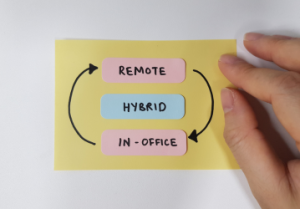
In the ever-evolving landscape of the professional world, the concept of hybrid and virtual work has become more than just a trend; it’s a fundamental shift in the way teams operate. Working in resilience and leadership, I find myself at the intersection of two critical components for success in this new era: resilience and virtual work.

The Hybrid Challenge: Unveiling the Hurdles of a Virtual Landscape

While hybrid and virtual work offers unparalleled flexibility and access to a global talent pool, it also presents a unique set of challenges. From the blurred boundaries between work and personal life to the struggle with communication and collaboration, hybrid teams often find themselves facing hurdles that demand a special set of skills to overcome.

Isolation and Burnout

One of the most significant challenges is the sense of isolation that virtual workers can experience. The lack of face-to-face interaction may lead to feelings of loneliness and, in some cases, burnout as employees grapple with the constant demands of a digital environment. Those in the office speak when they are together and those working virtually slowly get left out fo the conversation more and more. It is never intentional and it happens over time. The virtual workers, feel even more isolated and left out.

Communication Breakdown

Effective communication becomes a delicate dance when conducted through screens and emails. Misinterpretations are more likely, and the absence of non-verbal cues can hinder the development of a shared understanding among team members. Active listening and making sure that everyone is on the same page is even more critical. Communication effort has to be much higher on the list of efforts when everyone is not sitting together. Also, think about the natural communication that happens when people sit together. Passing of information easily, through conversation. thing how someone who has just joined your team might feel. they do not know anyone and they do not have the casual conversation to find out stuff. How will you help them settle in?

Team Dynamics

Building and maintaining team dynamics in a virtual setting requires intentional effort. The spontaneous interactions that foster camaraderie in an office setting are often replaced by scheduled video calls, potentially impacting the sense of connection within the team. When we work virtually and hybrid, with people in different locations, it is even more essential to check in with each other and see how everyone is doing. Plan virtual coffee breaks to build relationships and trust to help aid communication.

Resilience as the Key to Remote Triumph

In navigating the myriad challenges inherent in virtual and hybrid work environments, resilience emerges as an indispensable key to triumph. Resilience, far from being merely an individual attribute, serves as a collective strength that organisations can actively cultivate. Delving deeper into the transformative role of resilience in the hybrid work experience reveals the following intricate elements:

Adaptability: Mastering Change Seamlessly

Resilience is synonymous with adaptability, enabling teams to effortlessly navigate the dynamic landscape of hybrid work. In this context, adaptability goes beyond a mere acknowledgement of change; it involves actively and skillfully adjusting to new challenges. Teams with a resilient mindset can swiftly pivot their strategies, workflows, and approaches in response to evolving circumstances, ensuring seamless transitions.

How to Foster Adaptability:

  • Encourage a culture of continuous learning, where team members are empowered to acquire new skills and knowledge.
  • Conduct regular training sessions focused on enhancing adaptive thinking and problem-solving skills.
  • Facilitate open discussions about change, emphasizing the opportunities it presents rather than the disruptions it causes.

Emotional Intelligence: The Linchpin of Remote Collaboration

In the absence of traditional face-to-face interactions, emotional intelligence becomes paramount in maintaining healthy and effective virtual collaboration. Resilient individuals inherently possess high emotional intelligence, fostering an environment where positive and constructive communication thrives.

How to Enhance Emotional Intelligence:

  • Implement training programs that focus on emotional awareness, empathy, and effective communication.
  • Encourage regular check-ins to gauge the emotional well-being of team members.
  • Provide resources and tools to help individuals manage stress, anxiety, and other emotional challenges.

Connection Amidst Distance: Fostering a Virtual Sense of Belonging

Resilience plays a pivotal role in bridging the physical gaps created by hybrid work. Leaders with resilience cultivate a sense of connection and belonging within the team, ensuring that every member feels supported and engaged, even in a virtual environment.

How to Cultivate Connection Amidst Distance:

  • Organise virtual team-building activities and events to strengthen interpersonal bonds.
  • Establish clear communication channels and protocols to facilitate easy and open interaction.
  • Acknowledge and celebrate individual and team achievements to reinforce a sense of shared success.

In essence, resilience emerges not only as a concept but as a set of tangible skills and practices that, when intentionally developed, can propel hybrid teams towards unparalleled success. By fostering adaptability, enhancing emotional intelligence, and cultivating virtual connections, organisations can harness the true potential of resilience in the pursuit of triumph in the remote work landscape.

Maintaining Team Dynamics in a Virtual Setting: Tips for Success

  • Regular Check-in: Schedule regular video calls for both work-related discussions and casual catch-ups. This helps recreate the informal interactions that contribute to a strong team bond.
  • Define Clear Expectations: Communicate roles, responsibilities, and expectations within the team. This clarity eliminates misunderstandings and fosters a sense of purpose among remote team members.
  • Encourage Open Communication: Create channels for open communication and feedback. Team members should feel comfortable expressing their thoughts and concerns, fostering a culture of transparency and trust.
  • Celebrate Successes: Acknowledge and celebrate team achievements, no matter how small. Recognition boosts morale and reinforces a positive team culture.

The resilience and leadership required for success in hybrid working is so much more than just individual attributes. They are the foundation of a thriving team. By fostering resilience and implementing strategies to maintain team dynamics, organisations can navigate the challenges of hybrid work and emerge stronger in this new era of professional collaboration. As we continue to adapt to the ever-changing landscape, let resilience be the guiding force that propels remote teams toward success.