

Unlocking Employee Potential

In today’s rapidly evolving business landscape, the ability to learn and adapt is no longer a nice-to-have—it’s a must-have. The Gallup Global Emotions 2024 report reveals a striking statistic: 54% of people worldwide reported learning or doing something interesting the previous day. But how does the UK measure up, and more importantly, how can we as leaders harness the power of continuous learning to drive our businesses forward?

The UK Learning Landscape: Room for Improvement

Before we dive into solutions, let’s consider the current state of learning in UK workplaces:

  • Only 49% of UK employees feel they have good opportunities to learn and grow at work (Gallup)
  • 42% of UK workers say a lack of career progression is a key reason for leaving their job (CIPD)
  • The UK lags behind other G7 countries in productivity by 15%, partly due to skills gaps (Department for Business, Energy & Industrial Strategy)

These statistics highlight both the challenge and the opportunity for UK businesses to leverage education as a driver of engagement, retention, and productivity.

5 Powerful Strategies to Foster a Learning Culture in UK Workplaces

Implement Personalised Learning Paths

Global insight: Employees who feel their education in work is tailored to their needs are more engaged.

UK Application:

  • Use AI-powered platforms to create personalised development plans
  • Offer a mix of formal training, on-the-job learning, and self-directed study options
  • Implement regular skills assessments to identify gaps and opportunities

Action step: Launch a ‘Learning Passport’ programme where employees can track and showcase their journey.

Encourage Cross-Departmental Knowledge Sharing

Global insight: Diverse experiences lead to increased innovation.

UK Application:

  • Organise monthly ‘Skill Swap’ sessions where employees teach each other
  • Implement a job rotation programme for interested employees
  • Create cross-functional project teams to encourage knowledge transfer

Action step: Start a ‘Lunch and Learn’ series where different departments share insights about their work.

Embrace Digital Tools

Global insight: Countries with high digital literacy scores also report high levels of workplace learning.

UK Application:

  • Provide access to online platforms like LinkedIn Learning or Coursera
  • Utilise virtual reality for immersive training experiences
  • Implement a learning management system to track and reward progress

Action step: Host a ‘Digital Fair’ to introduce employees to available online resources.

Foster a ‘Growth Mindset’ Culture

Global insight: Employees in countries with a strong ‘growth mindset’ culture report more learning experiences.

UK Application:

  • Train managers to provide growth-oriented feedback
  • Celebrate attempts and efforts, not just successes
  • Share stories of personal and professional growth within the company

Action step: Introduce a ‘Failure Friday’ where team members share their own lessons from mistakes or setbacks.

Link Learning to Career Progression

Global insight: Clear links between learning and career advancement boost engagement.

UK Application:

  • Create clear pathways for different career tracks
  • Include goals in performance reviews
  • Offer ‘stretch assignments’ to employees who complete relevant training

Action step: Develop a ‘Skills for Promotion’ guide that outlines the training required for career advancement.

Measuring the Impact of Learning Initiatives

To ensure your strategies are effective:

  • Track completion rates of learning programmes
  • Monitor changes in employee engagement scores
  • Measure the impact on productivity and innovation metrics
  • Assess improvements in retention rates, particularly among high-potential employees

The Business Case for Continuous Learning

Investing in employee education isn’t just about skills development—it’s a smart business move:

  • Companies that invest in employee training enjoy 24% higher profit margins (ASTD)
  • 94% of employees would stay at a company longer if it invested in their development (LinkedIn)
  • Organisations with a strong learning culture are 92% more likely to develop novel products and processes (Deloitte)

Imagine a workplace where:

  • Employees eagerly seek out new challenges and opportunities to grow
  • Innovation thrives as diverse knowledge and skills are shared across the organisation
  • Your company becomes known as a ‘learning organisation’, attracting top talent
  • Productivity soars as employees continually upgrade their skills and knowledge

This isn’t a far-fetched dream. It’s the reality for UK companies that prioritise continuous learning and development.

Your Next Steps: Leading the Learning Revolution

Ready to transform your workplace into a hub of continuous learning and growth? Start with these actions:

  1. Conduct an education needs assessment across your organisation
  2. Survey your team about their preferences and career aspirations
  3. Implement one new initiative from this article
  4. Share your commitment to fostering a continous mastering culture with your team and invite their input

Remember, creating a culture of continuous education isn’t about mandating courses or setting arbitrary training hours. It’s about fostering an environment where curiosity is encouraged, growth is celebrated, and learning is seamlessly integrated into daily work.

Are you ready to lead the learning revolution and unlock your team’s full potential? Your business’s future competitiveness – and your employees’ career satisfaction may depend on it.

Book your 30 minute strategy session and creating a culture of resilience and innovation today here.

The Secret Weapon for Business Success

In the hustle and bustle of UK’s business world, we often overlook a crucial factor in productivity and innovation: sleep. The Gallup Global Emotions 2024 report reveals that 71% of people globally feel well-rested. But how does the UK measure up, and more importantly, how can you as a leader harness the power of a well-rested workforce to drive your business forward?

The UK Sleep Deficit: A Wake-Up Call for Leaders

Before we dive into solutions, let’s look at the stark reality facing UK workers:

  • 36% of UK adults struggle to get to sleep at least on a weekly basis (Sleep Council)
  • Poor sleep costs the UK economy £40 billion annually (Rand Corporation)
  • 200,000 working days are lost in the UK each year due to insufficient sleep (NHS)

These statistics paint a clear picture: sleep deprivation is not just a personal issue, it’s a business crisis.

5 Powerful Strategies to Create a Well-Rested Workforce

Implement a ‘Right to Disconnect’ Policy

In our always-on digital world, the lines between work and personal time have blurred. France has led the way with legal ‘right to disconnect’ policies. While not law in the UK, forward-thinking companies are adopting similar approaches.

Action step: Establish clear guidelines on after-hours communication. Consider tools that delay email delivery outside of working hours.

Create a Sleep-Friendly Work Environment

Your office environment can significantly impact employee alertness and, by extension, their sleep patterns.

Action step: Invest in natural lighting or daylight-mimicking lights. Create quiet spaces for power naps, following companies like Google and Nike.

Offer Sleep Education and Resources

Many people underestimate the importance of sleep hygiene. As a leader, you can change this.

Action step: Partner with sleep experts to provide workshops on sleep hygiene. Consider offering sleep tracking devices as part of your wellness programme.

Flexible Working Hours for Chronotype Diversity

Not everyone is a morning lark. Some of your best talent might be night owls struggling with traditional 9-5 schedules.

Action step: Where possible, allow flexible start and end times. This can help employees work when they’re at their best.

Address Workplace Stress

Stress is a major sleep disruptor. Tackling workplace stress head-on can significantly improve sleep quality.

Action step: Regularly assess workloads and deadlines. Implement stress management programmes and encourage the use of mental health resources.

Measuring the Impact of Your Sleep-Friendly Initiatives

To ensure your strategies are working:

  • Conduct regular surveys on employee sleep quality and daytime alertness
  • Monitor changes in absenteeism and presenteeism rates
  • Track productivity metrics before and after implementing sleep initiatives
  • Measure uptake of sleep education resources and flexible working options

The Business Case for a Well-Rested Workforce

When you prioritise employee sleep, you’re not just being a compassionate leader. You’re making a smart business decision. Here’s why:

  • Increased Productivity: Well-rested employees are 13% more productive (University of Cambridge)
  • Enhanced Creativity: REM sleep boosts creative problem-solving by up to 33% (University of California)
  • Improved Decision-Making: Sleep-deprived individuals make riskier decisions (Duke University)
  • Better Team Dynamics: Well-rested people are more emotionally intelligent and empathetic

Imagine a workplace where:

  • Monday morning meetings are filled with alert, engaged team members brimming with innovative ideas
  • Complex problems are solved more efficiently due to enhanced cognitive function
  • Workplace conflicts decrease as well-rested employees navigate relationships with greater emotional intelligence
  • Your company gains a reputation as a top employer, attracting the best talent in your industry

This isn’t a utopian dream. It’s the reality for UK businesses that prioritise employee sleep and wellbeing.

Your Next Steps: Leading the Charge for a Well-Rested Workforce

Ready to revolutionise your workplace through the power of sleep? Start with these actions:

  1. Conduct a sleep culture audit in your organisation
  2. Survey your team about their sleep habits and challenges
  3. Implement one new sleep-friendly policy from this article
  4. Lead by example – prioritise your own sleep and share the benefits with your team

Remember, creating a well-rested workforce isn’t just about improving sleep. It’s about fostering a culture that values holistic wellbeing and recognises the profound impact of rest on performance. By championing this approach, you’re not just enhancing your workplace – you’re positioning your organisation at the forefront of UK business innovation and success.

Are you ready to unlock the power of a well-rested workforce and lead your team to new heights of productivity and innovation? The future of your organisation may depend on it.

Book a FREE discovery call with me today so we can discuss your needs: https://calendly.com/alisoncharles/30min?month=2025-03

Unlocking UK Workplace Potential

In the fast-paced world of UK business, the pursuit of productivity often overshadows the importance of workplace positivity. But what if the key to unlocking your team’s full potential lies in fostering a more positive work environment? The Gallup Global Emotions 2024 report offers compelling insights into this connection. Let’s explore how UK leaders can leverage the power of positive emotions to drive productivity and success.

The UK Productivity Puzzle: A Brief Overview

Before we dive into solutions, let’s consider the UK’s productivity landscape:

  • UK productivity growth has stagnated since the 2008 financial crisis (Office for National Statistics)
  • The UK lags behind other G7 countries in productivity by 15% (Department for Business, Energy & Industrial Strategy)
  • 85% of UK employees are not engaged or actively disengaged at work (Gallup)

These statistics highlight a clear opportunity for improvement. Could fostering positive emotions be the missing piece of the UK productivity puzzle?

5 Key Strategies to Boost Productivity Through Positivity

Cultivate a Culture of Appreciation

Regular recognition can significantly boost both mood and productivity.

UK Application:

  • Implement a peer-to-peer recognition programme
  • Start team meetings with a round of appreciation
  • Create a digital ‘Wall of Fame’ to celebrate achievements

Action step: Introduce a weekly ‘Appreciation Hour’ where team members share positive feedback.

Promote Work-Life Balance

Employees who feel their personal time is respected tend to be more productive during work hours.

UK Application:

  • Offer flexible working hours or compressed work weeks
  • Encourage the use of full holiday entitlements
  • Implement a ‘right to disconnect’ policy outside of work hours

Action step: Review your current work-life balance policies and identify areas for improvement.

Foster Social Connections

Strong workplace relationships contribute to both happiness and productivity.

UK Application:

  • Organise regular team-building activities (both in-person and virtual)
  • Create interest-based groups or clubs within the company
  • Designate social spaces in the office for informal interactions

Action step: Start a monthly ‘Random Coffee’ initiative, pairing employees for casual chats.

Invest in Personal Growth

Employees who feel they’re developing tend to be more positive and productive.

UK Application:

  • Offer personalised learning and development plans
  • Provide opportunities for cross-departmental projects
  • Implement a mentoring programme

Action step: Launch a ‘Skill Share’ initiative where employees can teach each other new skills.

Create a Positive Physical Environment

The workspace itself can significantly impact mood and productivity.

UK Application:

  • Maximise natural light in the office
  • Introduce plants and green spaces
  • Create varied work areas to suit different tasks and preferences

Action step: Conduct a workspace audit and make one improvement based on employee feedback.

Measuring the Impact of Positivity on Productivity

To ensure your strategies are effective:

  • Track employee engagement scores alongside productivity metrics
  • Measure absenteeism and presenteeism rates
  • Monitor customer satisfaction as an indicator of employee performance
  • Conduct regular pulse surveys on workplace happiness and productivity

The Business Case for Positivity

Investing in workplace positivity isn’t just about feeling good—it’s a smart business decision:

  • Happy employees are 13% more productive (Oxford University)
  • Companies with engaged employees outperform those without by 202% (Gallup)
  • Positive work cultures are associated with higher levels of innovation (Journal of Applied Behavioral Science)

Imagine a workplace where:

  • Monday mornings are met with enthusiasm rather than dread
  • Creative solutions flow freely in an atmosphere of psychological safety
  • Your company becomes known as a top employer, attracting the best talent
  • Productivity soars as employees bring their full, energised selves to work each day

This isn’t a far-fetched dream. It’s the reality for UK companies that prioritise positivity alongside productivity.

Your Next Steps: Leading the Positivity-Productivity Revolution

Ready to transform your workplace into a hub of positivity and productivity? Start with these actions:

  1. Assess your current workplace culture using anonymous surveys
  2. Identify the biggest mood-killers in your organisation and tackle them head-on
  3. Implement one new positivity-boosting initiative from this article
  4. Share your commitment to fostering a positive, high-performance culture with your team

Remember, creating a positive, productive workplace isn’t about enforcing happiness or ignoring challenges. It’s about fostering an environment where people feel valued, motivated, and empowered to do their best work.

Are you ready to lead the positivity-productivity revolution and unlock your team’s full potential? Your business results—and your employees—will thank you.

Learning from High-Scoring Countries

In the quest for workplace excellence, UK leaders would do well to cast their gaze beyond our shores. The Gallup Global Emotions 2024 report reveals fascinating insights about countries with the highest positive experiences at work. But what can we, as UK business leaders, learn from these high-scoring nations, and how can we adapt their strategies to our unique British work culture and boost positivity?

The Global Happiness Leaders: A Snapshot

Before we dive into lessons and strategies, let’s look at who’s topping the charts:

  • Paraguay and Panama: Both scored 86 on the Positive Experience Index
  • Guatemala: Close behind with a score of 85
  • Indonesia: An impressive 84, showing it’s not just Latin American countries leading the pack

Meanwhile, the UK’s score, while not in the top tier, leaves room for improvement. This gap presents an exciting opportunity for forward-thinking UK leaders.

5 Key Lessons from High-Scoring Countries

Prioritise Work-Life Balance

Countries like Panama have a culture that values personal time as much as work time.

UK Application: Implement ‘Life-Work Integration’ policies. This could include:

  • Flexible working hours
  • Unlimited holiday policies (with minimum requirements)
  • ‘Duvet days’ for mental health

Action step: Review your current policies. Are they truly supporting work-life balance, or just paying lip service?

Foster Strong Social Connections

In countries like Paraguay, workplace relationships often extend beyond the office.

UK Application: Create opportunities for meaningful social interactions:

  • Monthly team lunches or ‘Fizzy Fridays’
  • Interest-based clubs (book clubs, sports teams)
  • Family-inclusive events

Action step: Survey your team about their social preferences and implement one new initiative this month.

Embrace a Positive Communication Style

Guatemalan work culture often emphasises positive reinforcement and optimistic communication.

UK Application: Train leaders in positive communication techniques:

  • Regular appreciation sessions
  • ‘Catch them doing something right’ initiatives
  • Constructive feedback training for managers

Action step: Implement a ‘positivity ratio’ in team meetings – aim for 3 positive comments for every constructive criticism.

Promote a Sense of Purpose

Indonesian workers often report a strong sense of purpose in their work.

UK Application: Connect individual roles to the bigger picture:

  • Regular company-wide updates on impact and progress
  • Personal mission statements for each role
  • Opportunities for employees to engage in meaningful CSR activities

Action step: Help each team member craft a personal mission statement that aligns with the company’s goals.

Cultivate a Culture of Gratitude

Many high-scoring countries have a cultural emphasis on gratitude.

UK Application: Implement gratitude practices in the workplace:

  • Weekly ‘appreciation huddles’
  • Gratitude journals for teams
  • A digital ‘thank you’ board

Action step: Start each meeting with a quick round of gratitude sharing.

Measuring the Impact of Positivity Initiatives

To ensure your strategies are working:

  • Conduct regular employee happiness surveys
  • Monitor changes in productivity and innovation metrics
  • Track retention rates and reasons for leaving
  • Measure engagement in positivity initiatives

The Business Case for Workplace Positivity

Investing in workplace positivity isn’t just about feeling good. It’s a smart business move:

  • Happy employees are 13% more productive (Oxford University)
  • Companies with happy employees outperform the competition by 20% (Gallup)
  • 87% of happy workers would recommend their company as a good place to work (Deloitte)

Imagine a workplace where:

  • Monday mornings are met with enthusiasm rather than dread
  • Innovation flourishes because employees feel safe to share ideas
  • Your company becomes known as a ‘best place to work’, attracting top talent
  • Retention rates soar, saving you significant recruitment and training costs

This isn’t a pipe dream. It’s the reality for companies that prioritise workplace positivity.

Your Next Steps: Leading the Positivity Revolution

Ready to transform your workplace into a beacon of positivity? Start with these actions:

  1. Conduct a ‘positivity audit’ of your current workplace culture
  2. Survey your team about what would increase their workplace happiness
  3. Implement one new positivity strategy from this article
  4. Share your commitment to workplace positivity with your team and invite their input

Remember, creating a positive workplace isn’t about forcing happiness or ignoring real challenges. It’s about fostering an environment where people feel valued, connected, and purposeful. By championing this approach, you’re not just improving your workplace – you’re positioning your organisation at the forefront of UK business innovation and success.

Are you ready to lead the positivity revolution and transform your workplace into a high-scoring, high-performing powerhouse? Your team, and your bottom line, will thank you.

In the ever-evolving landscape of the professional world, the concept of hybrid and virtual work has become more than just a trend; it’s a fundamental shift in the way teams operate. Working in resilience and leadership, I find myself at the intersection of two critical components for success in this new era: resilience and virtual work.
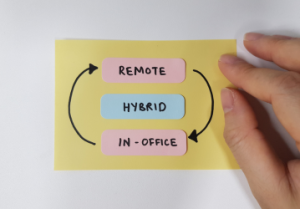

The Hybrid Challenge: Unveiling the Hurdles of a Virtual Landscape

While hybrid and virtual work offers unparalleled flexibility and access to a global talent pool, it also presents a unique set of challenges. From the blurred boundaries between work and personal life to the struggle with communication and collaboration, hybrid teams often find themselves facing hurdles that demand a special set of skills to overcome.

Isolation and Burnout

One of the most significant challenges is the sense of isolation that virtual workers can experience. The lack of face-to-face interaction may lead to feelings of loneliness and, in some cases, burnout as employees grapple with the constant demands of a digital environment. Those in the office speak when they are together and those working virtually slowly get left out fo the conversation more and more. It is never intentional and it happens over time. The virtual workers, feel even more isolated and left out.

Communication Breakdown

Effective communication becomes a delicate dance when conducted through screens and emails. Misinterpretations are more likely, and the absence of non-verbal cues can hinder the development of a shared understanding among team members. Active listening and making sure that everyone is on the same page is even more critical. Communication effort has to be much higher on the list of efforts when everyone is not sitting together. Also, think about the natural communication that happens when people sit together. Passing of information easily, through conversation. thing how someone who has just joined your team might feel. they do not know anyone and they do not have the casual conversation to find out stuff. How will you help them settle in?

Team Dynamics

Building and maintaining team dynamics in a virtual setting requires intentional effort. The spontaneous interactions that foster camaraderie in an office setting are often replaced by scheduled video calls, potentially impacting the sense of connection within the team. When we work virtually and hybrid, with people in different locations, it is even more essential to check in with each other and see how everyone is doing. Plan virtual coffee breaks to build relationships and trust to help aid communication.

Resilience as the Key to Remote Triumph

In navigating the myriad challenges inherent in virtual and hybrid work environments, resilience emerges as an indispensable key to triumph. Resilience, far from being merely an individual attribute, serves as a collective strength that organisations can actively cultivate. Delving deeper into the transformative role of resilience in the hybrid work experience reveals the following intricate elements:

Adaptability: Mastering Change Seamlessly

Resilience is synonymous with adaptability, enabling teams to effortlessly navigate the dynamic landscape of hybrid work. In this context, adaptability goes beyond a mere acknowledgement of change; it involves actively and skillfully adjusting to new challenges. Teams with a resilient mindset can swiftly pivot their strategies, workflows, and approaches in response to evolving circumstances, ensuring seamless transitions.

How to Foster Adaptability:

  • Encourage a culture of continuous learning, where team members are empowered to acquire new skills and knowledge.
  • Conduct regular training sessions focused on enhancing adaptive thinking and problem-solving skills.
  • Facilitate open discussions about change, emphasizing the opportunities it presents rather than the disruptions it causes.

Emotional Intelligence: The Linchpin of Remote Collaboration

In the absence of traditional face-to-face interactions, emotional intelligence becomes paramount in maintaining healthy and effective virtual collaboration. Resilient individuals inherently possess high emotional intelligence, fostering an environment where positive and constructive communication thrives.

How to Enhance Emotional Intelligence:

  • Implement training programs that focus on emotional awareness, empathy, and effective communication.
  • Encourage regular check-ins to gauge the emotional well-being of team members.
  • Provide resources and tools to help individuals manage stress, anxiety, and other emotional challenges.

Connection Amidst Distance: Fostering a Virtual Sense of Belonging

Resilience plays a pivotal role in bridging the physical gaps created by hybrid work. Leaders with resilience cultivate a sense of connection and belonging within the team, ensuring that every member feels supported and engaged, even in a virtual environment.

How to Cultivate Connection Amidst Distance:

  • Organise virtual team-building activities and events to strengthen interpersonal bonds.
  • Establish clear communication channels and protocols to facilitate easy and open interaction.
  • Acknowledge and celebrate individual and team achievements to reinforce a sense of shared success.

In essence, resilience emerges not only as a concept but as a set of tangible skills and practices that, when intentionally developed, can propel hybrid teams towards unparalleled success. By fostering adaptability, enhancing emotional intelligence, and cultivating virtual connections, organisations can harness the true potential of resilience in the pursuit of triumph in the remote work landscape.

Maintaining Team Dynamics in a Virtual Setting: Tips for Success

  • Regular Check-in: Schedule regular video calls for both work-related discussions and casual catch-ups. This helps recreate the informal interactions that contribute to a strong team bond.
  • Define Clear Expectations: Communicate roles, responsibilities, and expectations within the team. This clarity eliminates misunderstandings and fosters a sense of purpose among remote team members.
  • Encourage Open Communication: Create channels for open communication and feedback. Team members should feel comfortable expressing their thoughts and concerns, fostering a culture of transparency and trust.
  • Celebrate Successes: Acknowledge and celebrate team achievements, no matter how small. Recognition boosts morale and reinforces a positive team culture.

The resilience and leadership required for success in hybrid working is so much more than just individual attributes. They are the foundation of a thriving team. By fostering resilience and implementing strategies to maintain team dynamics, organisations can navigate the challenges of hybrid work and emerge stronger in this new era of professional collaboration. As we continue to adapt to the ever-changing landscape, let resilience be the guiding force that propels remote teams toward success.