
Addressing Negative Emotions in the Workplace
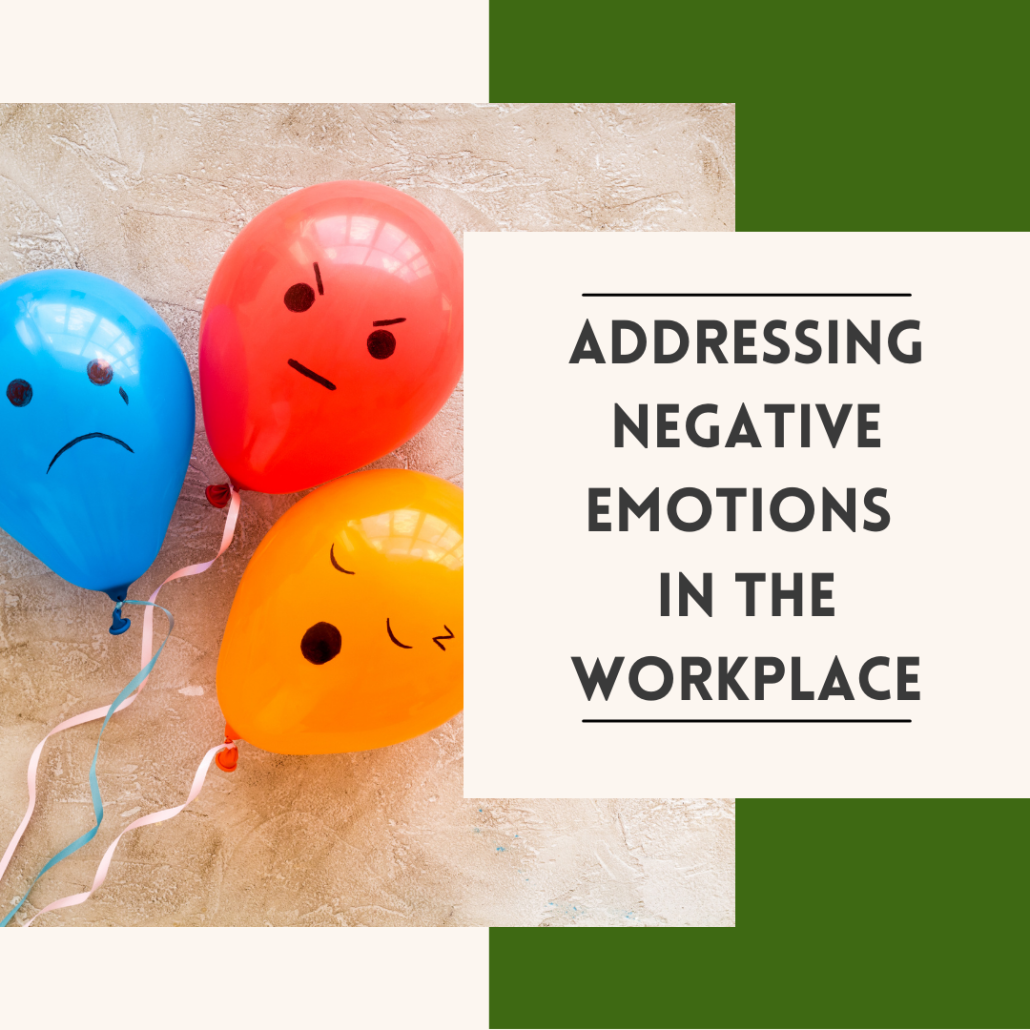
 Strategies for Resilient Teams
In today’s fast-paced UK business landscape, managing negative emotions in the workplace has become a critical challenge for leaders. The Gallup Global Emotions 2024 report sheds light on the prevalence of negative experiences worldwide. But how does this translate to the UK context, and more importantly, how can we as leaders address these challenges to create more resilient and productive teams?
The UK Emotional Landscape: A Sobering Reality
Before we dive into solutions, let’s consider the current emotional state in UK workplaces:
- 79% of British adults experience work-related stress (Mental Health UK, 2023)
- 1 in 6 UK workers experience mental health problems like anxiety and depression (Mind)
- Stress, depression, and anxiety accounted for 55% of all working days lost due to work-related ill health in 2021/22 (HSE)
These statistics underscore the urgent need for UK businesses to address negative emotions head-on.
5 Powerful Strategies to Manage Negative Emotions in UK Workplaces
Implement a Comprehensive Mental Health Programme
Global insight: Countries with strong mental health support systems report lower levels of negative emotions at work.
UK Application:
- Partner with mental health charities like Mind or Samaritans
- Offer confidential counselling services through an Employee Assistance Programme (EAP)
- Train managers in Mental Health First Aid
Action step: Launch a ‘Wellbeing Wednesday’ initiative with weekly mental health tips and resources.
Foster Open Communication About Emotions
Global insight: Workplaces that encourage emotional expression report lower levels of negative emotions overall.
UK Application:
- Implement regular ’emotion check-ins’ during team meetings
- Create safe spaces for employees to discuss their feelings
- Train leaders in emotional intelligence and empathetic communication
Action step: Start a ‘Feelings Friday’ where team members can share their emotional highs and lows of the week.
Address Work-Related Stressors
Global insight: Organisations that actively tackle workplace stressors see a reduction in negative emotions.
UK Application:
- Conduct regular workload assessments to prevent burnout
- Offer flexible working arrangements to improve work-life balance
- Provide training on time management and prioritisation skills
Action step: Implement a ‘Stress Busters’ programme where employees share their best stress management techniques.
 Promote Physical Wellbeing
Global insight: Countries with higher levels of physical activity report lower levels of negative emotions at work.
UK Application:
- Offer gym membership subsidies or on-site fitness classes
- Encourage ‘walking meetings’ for one-to-ones
- Provide healthy snacks and promote regular break times
Action step: Launch a company-wide step challenge to encourage daily physical activity.
Build Team Resilience
Global insight: Teams trained in resilience report lower levels of negative emotions during challenging times.
UK Application:
- Offer resilience training workshops
- Implement a peer support system for challenging projects
- Celebrate ‘lessons learned’ from setbacks to foster a growth mindset
Action step: Create a ‘Resilience Toolkit’ with resources and techniques for managing difficult emotions and situations.
Measuring the Impact of Emotional Management Initiatives
To ensure your strategies are effective:
- Conduct regular employee mood surveys
- Monitor changes in absenteeism and presenteeism rates
- Track usage of mental health resources and EAP services
- Measure productivity alongside emotional wellbeing metrics
The Business Case for Managing Negative Emotions
Addressing negative emotions isn’t just about employee wellbeing—it’s a smart business move:
- UK businesses lose £45 billion annually due to mental health-related absences (Deloitte)
- Companies with high levels of mental wellbeing report 31% higher productivity (Oxford University)
- 85% of UK workers believe employers are responsible for supporting their mental health (AXA)
Imagine a workplace where:
- Employees feel comfortable expressing and managing their emotions
- Teams bounce back quickly from setbacks and challenges
- Your company becomes known as a supportive employer, attracting top talent
- Productivity and innovation thrive in an emotionally intelligent environment
This isn’t a pipe dream. It’s the reality for UK companies that prioritise emotional wellbeing and resilience.
 Your Next Steps: Leading with Emotional Intelligence
Ready to transform your workplace into an emotionally resilient, high-performing environment? Start with these actions:
- Conduct an ’emotional temperature check’ of your current workplace culture
- Survey your team about their emotional challenges at work and desired support
- Implement one new strategy from this article to address negative emotions
- Share your commitment to emotional wellbeing with your team and invite their input
Remember, managing negative emotions in the workplace isn’t about suppressing feelings or maintaining a false sense of positivity. It’s about creating a culture where all emotions are acknowledged, understood, and effectively managed.
Are you ready to lead with emotional intelligence and unlock your team’s full potential? Your business’s success—and your employees’ wellbeing—may depend on it.
Whether you’re looking to pivot your business model, upskill your workforce, or reinvent your personal brand, we provide the expertise and support to turn your vision into reality. Let’s collaborate to unlock your potential and create a future-ready version of your business or career.
Enjoyed this blog? Check out my other blogs on various resilience and leadership topics here.


